Renovate Without Regrets: Let Order Lead Every Step

Today we’re diving into Sequence-First Home Renovation, an approach that prioritizes the order of operations so each decision supports the next. By planning dependencies, inspections, and lead times before swinging a hammer, you reduce waste, protect finishes, and keep your budget, schedule, and sanity intact.

Define Scope, Freeze Decisions, Guard the Edges

Sequence thrives when scope stays steady. List rooms, systems, and finish tiers, then freeze decisions at milestones. Protect your edges: if lighting locations change after drywall, or cabinet sizes shift after templating, delays multiply. Clarity upfront turns your calendar into a reliable compass and saves you from painful domino effects later.

Map the Critical Path Like a Builder

Identify tasks that control the finish line: structural fixes, rough-in inspections, drywall, flooring, cabinetry, and final fixtures. Assign durations, predecessors, and buffers to each. A simple spreadsheet or Gantt view highlights where one late delivery can stall three trades. When you see the chain, you can protect it decisively and calmly.

Demolition to Drywall: A Chain That Cannot Break

This is where chaos either starts or gets contained. A clean, phased demolition makes way for rough-ins without destroying parts of the home you still need. Protect paths, label circuits, cap plumbing, and isolate dust. When demolition, framing, and drywall proceed in the right order, you shield future finishes and avoid do-overs.

Systems First: Power, Water, and Air in Harmony
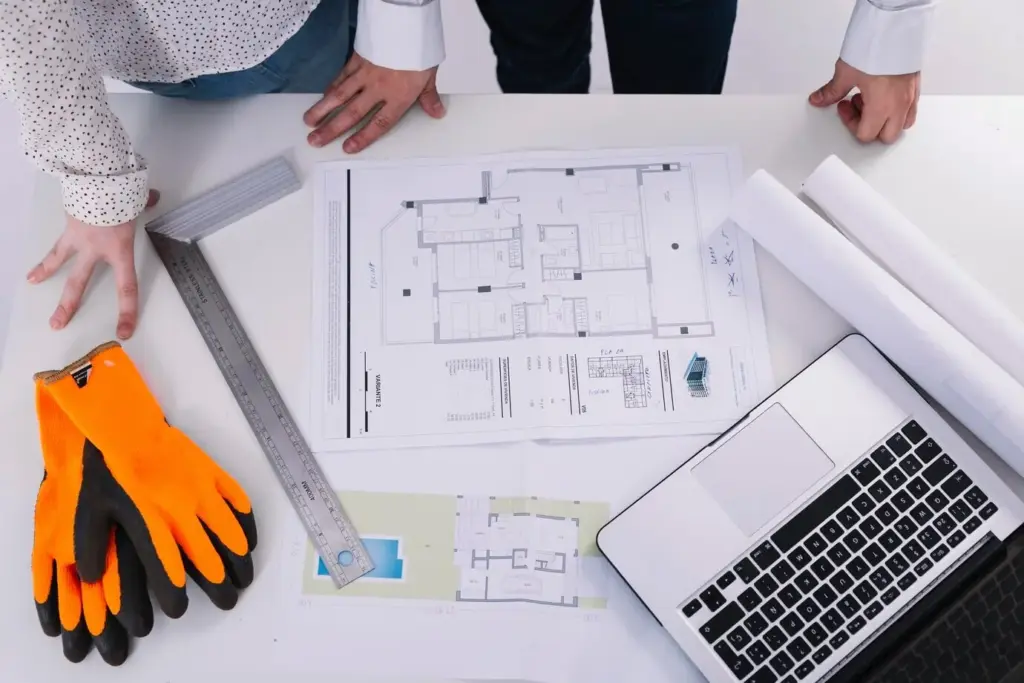
Electrical, plumbing, and HVAC are the heartbeat of a renovation, and their choreography matters. Upgrades to panels, drain lines, or ducts should happen before insulation and drywall. Inspections lock in progress and prevent backtracking. When systems are coordinated, comfort improves, energy bills drop, and future maintenance becomes less invasive and costly.

Subfloor Prep Before Big Installs

Level, patch, and secure subfloors prior to cabinets, islands, and built-ins. Establish expansion gaps and test for moisture where applicable. Solid foundations prevent squeaks, misalignments, and cracked grout lines later. When heavy elements land on prepared bases, everything above feels intentional, straight, and wonderfully quiet underfoot for years to come.

Tile Layouts That Respect Sightlines

Dry-fit tile, confirm lippage tolerances, and locate focal cuts away from doorways. Check transitions to adjacent materials so thresholds feel seamless. Sequence matters: waterproof, flood test, then set tile. When you choreograph adhesion, cures, and grouts, your surfaces read as calm, even when the pattern sings with personality and movement.

Paint After Dust, Not Before

Prime early to spot flaws, but schedule final coats after heavy sanding and cutting are complete. Protect casings and sills from tool bumps with removable guards. When painting lands late in the dance, lines stay crisp, colors remain unscuffed, and you avoid living with touch-up maps for the next six months.

Kitchens and Baths: Milestones That Make or Break Momentum

High-function rooms concentrate risk and reward. Template countertops only after cabinets are perfectly set and leveled. Waterproof showers before even thinking about tile. Confirm fixture rough-ins against actual spec sheets, not memory. By stacking milestones with precision, these spaces reach the finish line without tearing backward through completed work.

Cabinetry, Templating, and Lead-Time Reality

Cabinets get installed, shimmed, and anchored before countertop templating, never after. Verify appliance cutouts, filler pieces, and door swings with tape and cardboard. Counter materials often carry multi-week fabrication windows. Respect that clock, and you’ll avoid cooking on plywood while regretting a rushed sink location that could have been perfect.

Waterproof First, Tile Later, Always

Shower pans, membranes, and flood tests come well before tile. Photograph the finished waterproofing with measurements for future reference. Only then set tile with proper expansion joints and movement allowances. Following this order preserves beauty and prevents hidden leaks that silently undo craftsmanship, budgets, and the patience of everyone living nearby.


Living Through the Process: Rhythm, Boundaries, and Grace

Renovation is a human experience as much as a construction project. Plan clean routes, quiet hours, and weekly check-ins. Label temporary kitchens and kid-safe paths. A gentle rhythm reduces friction, supports trades, and keeps your household functioning. When everyone knows the order of play, patience lasts and morale stays high.
Tirerepoxorelu
Privacy Overview

This website uses cookies so that we can provide you with the best user experience possible. Cookie information is stored in your browser and performs functions such as recognising you when you return to our website and helping our team to understand which sections of the website you find most interesting and useful.