Pass Inspections the First Time: Smart Sequencing From Permit to Closeout

Today we focus on permitting and inspection milestones, sequencing work to pass the first time, and the small decisions that prevent rework. You will learn how to plan reviews, prepare field evidence, schedule quality gates, and communicate with officials. We will share hard-won lessons from real projects and practical checklists you can use immediately. Join the conversation, share your toughest roadblocks, and subscribe for ongoing, field-tested insights that help your team deliver with confidence.

Start Before You Start: Aligning With the Authority Having Jurisdiction

Winning day one begins well before drawings are perfect. Early alignment with the Authority Having Jurisdiction builds trust, clarifies expectations, and removes ambiguity about inspection order, documentation, and acceptable tolerances. A 45‑minute pre-application discussion can save weeks later by surfacing hidden triggers, preferred submittal formats, and seasonal scheduling constraints. Treat the relationship like a partnership: ask precise questions, summarize agreements in writing, and share your sequencing logic so reviewers understand how you intend to reach a clean, timely approval.

Pre-application meetings that eliminate guesswork

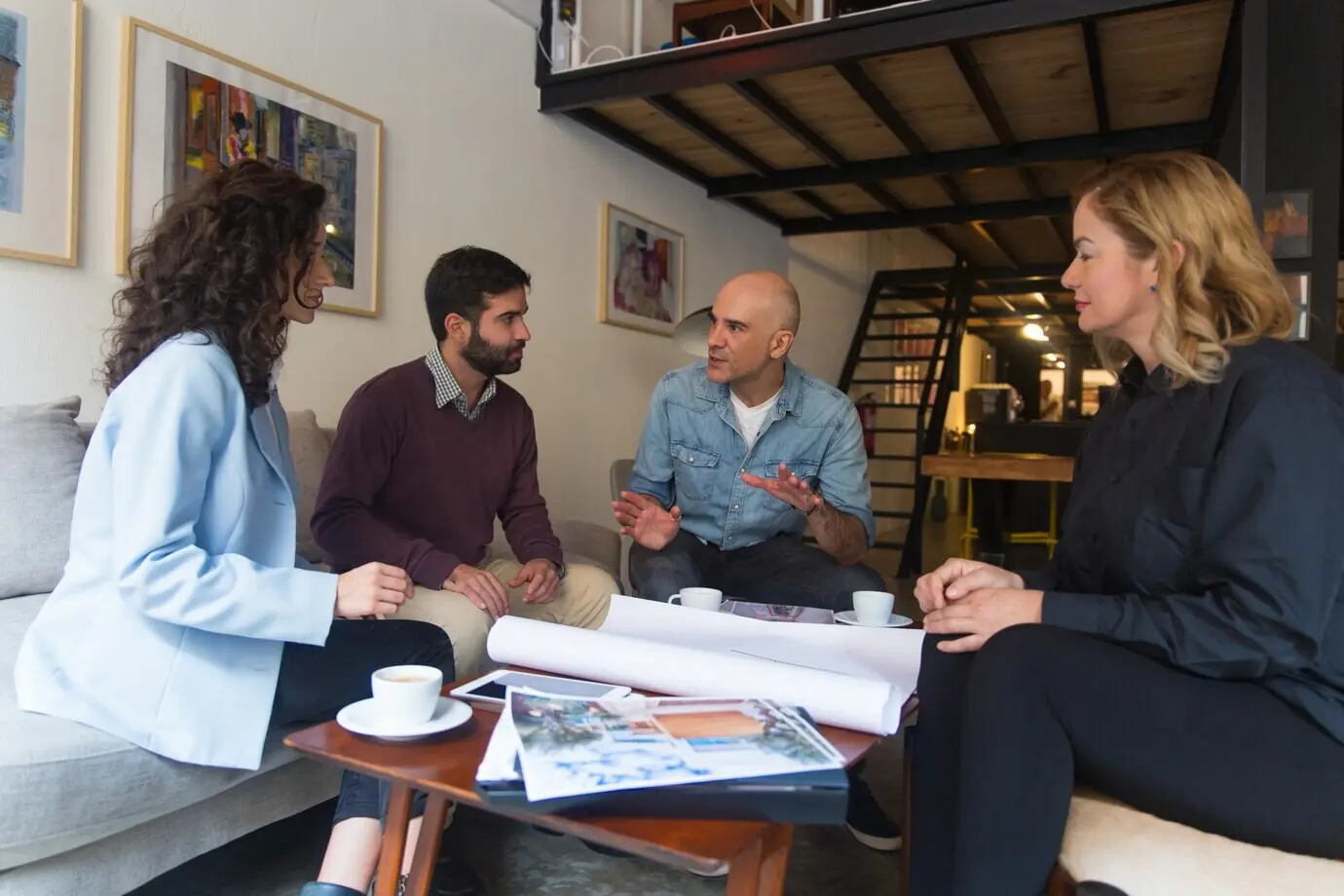
One contractor described bringing a one-page process map to a pre-application meeting, inviting the plan reviewer to mark red flags. That single sheet aligned expectations for partial permits, phased inspections, and deferred submittals. The result was fewer comments, faster responses, and a clear bridge between office reviews and field milestones. Bring concise visuals, confirm interpretations in an email recap, and agree on a single point of contact so questions never drift or multiply across departments or project partners.

Mapping milestones to the AHJ’s calendar

Inspections cluster around holidays, storm seasons, and staffing changes. Ask how far in advance to book, which days are historically slammed, and whether virtual verification is available for certain scopes. Plot those insights onto your lookahead and build float around critical inspections. When your schedule respects their rhythm, you gain cooperation and predictability. Offer alternative windows, confirm the day prior, and prepare contingency crews so you never waste an inspector’s time or let momentum slip because of one overlooked calendar constraint.
Decode the Code: Scope, Occupancy, and Triggers That Drive Reviews
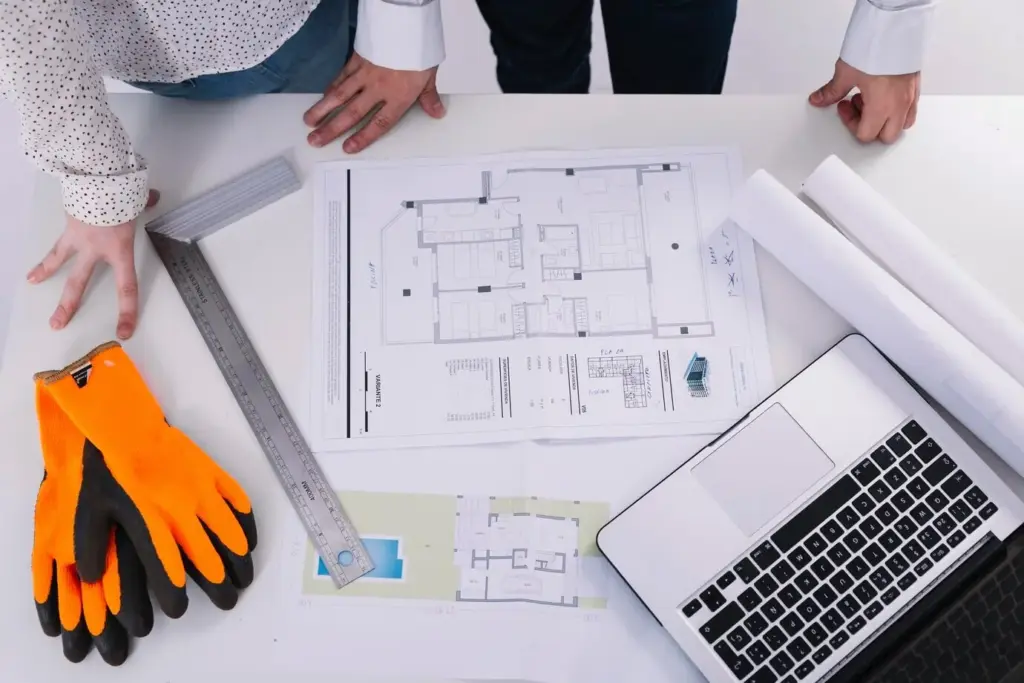
Passing on the first attempt requires framing your project clearly within the code’s logic. Occupancy, construction type, egress, fire resistance, and systems coordination determine the review path and inspection sequence. Write a concise compliance narrative stating what the project changes, what it does not change, and why specific provisions apply. Align architectural, structural, mechanical, electrical, plumbing, and fire protection notes so they never contradict each other. When your documents tell one consistent story, reviewers respond faster and inspectors arrive understanding your intentions.

Sequence With Intent: A First-Pass Inspection Schedule That Works

A pass-first approach means planning inspection hold points like quality gates that unlock downstream work. Build them into your critical path and weekly lookaheads. Tie material deliveries, mock-ups, and pre-cover checks to those gates so readiness is visible. Replace vague phrases like “rough‑in complete” with measurable conditions. Share the sequence with the inspector so expectations match reality. When teams see inspections as a designed flow instead of hurdles, coordination tightens, effort concentrates at the right moments, and rework nearly disappears.

Submittals that speak the inspector’s language

Reduce noise. Highlight relevant paragraphs, mark page tabs, and annotate drawings where the product is installed. Include the code citation that requires the feature, and a note confirming field conditions match the listed configuration. A school renovation crew used color-coded submittals so any trade could retrieve the right page within seconds during a surprise question. When materials and instructions are unmistakably aligned, inspectors move quickly, and your team avoids fruitless debates about intent because the proof is plain and immediately accessible.

Photo evidence that tells a credible story

Capture images before cover-up with dates, locations, and direction of view. Pair photos with plan snippets and a short caption stating what was verified. Store them in folders matching the inspection sequence. An inspector once approved a complex ceiling chase without delay because the superintendent presented a three-photo sequence showing hangers, seismic restraint, and fire caulk. Consistency matters more than quantity. Make it easy to scan, easy to trust, and easy to connect each picture to a specific checklist item immediately.

Version control that prevents confusion on site

Old drawings sink good inspections. Use a conspicuous title block stamp, centralized cloud folder, and a foreman-level briefing whenever a new issue publishes. Replace field sets promptly and pull obsolete copies. Add a revision index board at the gang box. One tenant improvement avoided a painful re-inspection when a plumber caught an outdated routing note on a laminated sheet and flagged it early. Tight version control stops accidental deviations and keeps the entire job answering the same, current, and agreed-upon instructions.

Evidence Wins: Submittals, Photos, and Logs Inspectors Trust

Inspections are faster when evidence is organized, current, and credible. Curate a tight binder—digital or physical—with approved submittals, manufacturer instructions, and inspection checklists aligned to field conditions. Maintain date-stamped photo logs for concealed work, cross-referenced to drawings. Use QR codes at equipment to pull up cut sheets instantly. Keep as-builts live, not afterthoughts. Inspectors appreciate clear proof more than polished speeches. Presenting verifiable records shows respect for their role and dramatically increases the likelihood of an efficient, decisive, first-pass approval.

Game Day: What to Do Before, During, and After Inspections

Treat inspection day like a crucial performance. Walk the route in advance, remove debris, stage tools for quick measurement, and prepare concise answers to predictable questions. Assign a single escort who knows the drawings, submittals, and history. Listen carefully, acknowledge findings, and propose immediate remedies where possible. Afterward, publish a same-day action list with owners and deadlines. Invite feedback from your crew about what helped and what hindered. Share your experiences in the comments and ask questions—we learn faster when we learn together.

Before the visit: a focused readiness ritual

Hold a fifteen-minute huddle with all involved trades. Confirm safety, cleanliness, access panels, labeling, and temporary lighting. Open concealed areas slated for verification and tag them clearly. Stage ladders and gauges so nothing feels improvised. The most impressive walk-throughs are quiet because teams rehearsed. Use a printed route map, carry the evidence binder, and double-check that all testing equipment functions. When the inspector arrives to order, clarity, and confidence, you set the tone for a smooth, decisive, and efficient approval.

During the walk: respectful clarity and fast proof

Lead without rushing. Answer questions directly, then show the supporting page, photo, or spec. If unsure, say so and commit to a time-bound follow-up. Avoid side conversations or contradicting voices by keeping the escort role singular. When a discrepancy appears, propose a code-consistent fix and request guidance on acceptable alternatives. This respectful, solution-oriented posture builds rapport. Many inspectors remember teams who make their job easier, and that goodwill often translates into clearer direction and smoother future interactions on the same project.

Lessons That Stick: Turning Corrections Into Permanent Wins

First-pass approvals feed on learning, not luck. After each inspection phase, run a brief retrospective: what surprised us, what slowed us, and what must change in our checklists or sequencing to prevent repeats. Convert corrections into standard work with photos, annotated details, and ownership. Train new crew leaders using actual examples from your job. Share insight with peers and ask for their best tactics in return. This is how a team evolves from firefighting to predictable performance that consistently clears inspections the very first time.

Five Whys for construction, not just factories

Apply the classic root-cause method to field realities. When a penetration failed inspection, do not stop at “installer missed sealant.” Ask why the checklists omitted that step, why the drawing lacked clarity, and why supervision missed the gap. Keep asking until the systemic cause appears. Then change the process, not just the person. Document the fix and revisit in a month to confirm it held. This gentle, rigorous curiosity builds reliability without blame and prevents the same problem from resurfacing repeatedly.

Playbook updates that actually get used

Shelfware helps no one. Build living playbooks with concise pages, photos, and QR codes posted at workstations. Incorporate two-minute training huddles where foremen review one improvement each morning. Tie pay-application milestones to using the latest checklists. Ask inspectors which clarifications they find most helpful and include those. The simpler the tool, the more consistently it gets used under pressure. Measure adoption, reward champions, and rotate ownership so the playbook reflects the field’s reality, not just the office’s idealized intentions.

Tirerepoxorelu
Privacy Overview

This website uses cookies so that we can provide you with the best user experience possible. Cookie information is stored in your browser and performs functions such as recognising you when you return to our website and helping our team to understand which sections of the website you find most interesting and useful.